Pillows play a crucial role in sleep quality by supporting the head, neck, and spine alignment while varying in materials that influence breathability, firmness, and allergen resistance. Understanding pillow types—feather, memory foam, latex, and wool—helps identify options that sustain comfort throughout the night and accommodate different sleep positions for optimal rest.
Natural and hypoallergenic materials offer specific advantages for airway health and skin comfort. For example, wool pillows can regulate temperature and wick moisture, while organic fabrics minimize exposure to synthetic dyes and additives. Selecting pillows with breathable covers and cleanable fills supports long-term hygiene and day-to-day comfort in bedding ecosystems.
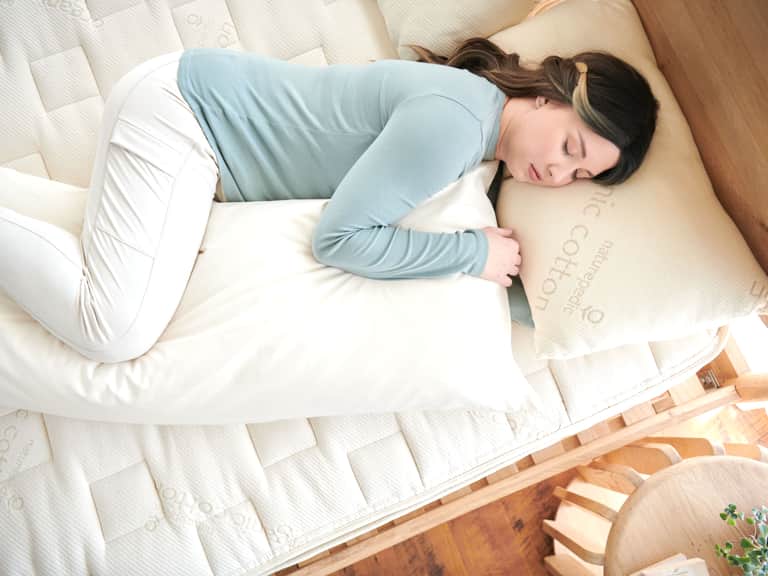
The Naturepedic Body Pillow demonstrates how extended support can aid alignment for side sleepers or those needing added midsection stabilization. Its elongated form fosters balanced weight distribution, reduces shoulder strain, and can be used for maternity support or ergonomic positioning, contributing to sustained comfort across sleep cycles.
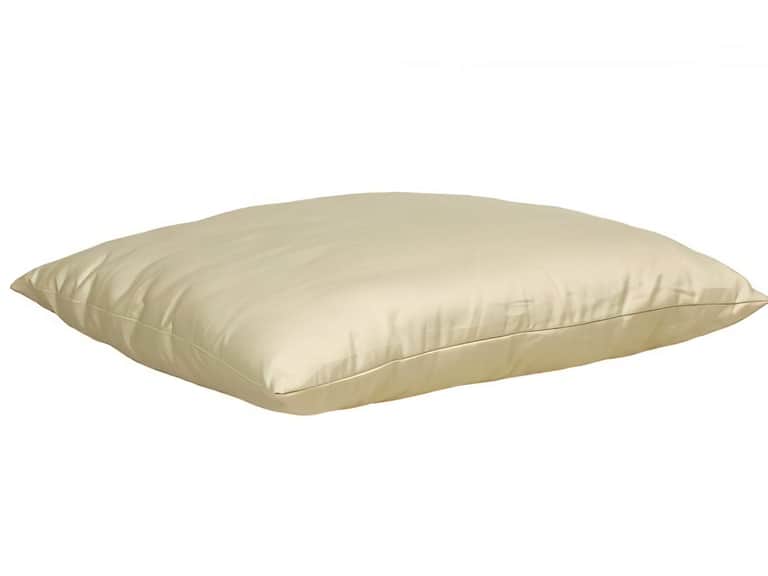
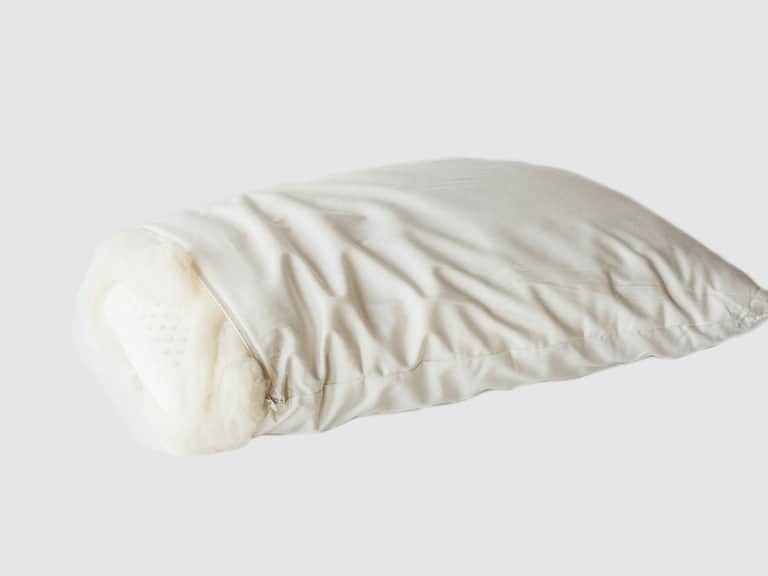
The Healthy Choice Organic Wool Pillow showcases the benefits of natural wool fills—viscoelastic resilience, temperature regulation, and antimicrobial properties—that help maintain a comfortable sleeping environment. A properly sized pillow with a breathable cover enhances airflow, reducing overheating and supporting restorative sleep in diverse bed setups.
In bedding education, understanding the interplay between pillows, comforters, and nursery or adult bedding is essential. Quality pillows influence perceived softness, support needs, and long-term durability, aligning with broader sleep wellness goals while complementing adaptable bed configurations and safe, restful environments for varied users.
 Bedding