Choosing Non-Toxic Bedding Materials: A Practical Guide for Eco-Conscious Sleep
A practical, evidence-informed guide to selecting non-toxic bedding materials. Learn how to evaluate fiber sources, finishes, and certifications to create a healthier sleep environment without sacrificing comfort.
In a world where homes are increasingly treated as refuges from environmental stressors, the bedroom often becomes ground zero for evaluating what truly touches our skin and pulses through our lungs. The domain EarthlyBed invites readers to examine the space where we rest as a site of health, not just style. This guide expands on the themes of fiber sources, weave and finish, and certifications that define safer sleep environments. Drawing on established players in the eco-bedding space—Naturepedic organic cotton, Sleep and Beyond sheets, and a curated ecosystem of non-toxic textiles—we offer a practical framework for selecting bedding that aligns with science, sustainability, and everyday comfort.
Part I: Fiber Sources — What Your Bedding Is Made Of
Non-toxic bedding begins with the fiber itself. The choice of fiber carries implications for durability, breathability, and chemical exposure. Below are core fiber families commonly featured in Earthly Bed’s recommended assortments, with a focus on health and environmental impact.
Organic Cotton
Organic cotton is grown without synthetic pesticides and genetically modified organisms, reducing chemical load in farming and processing. When processed into sheets, duvet covers, or pillowcases, organic cotton often carries certifications such as GOTS (Global Organic Textile Standard), which ensures environmental and social criteria across farming, processing, and manufacturing.
Practical note: Look for three elements when evaluating organic cotton bedding:
- Certification: GOTS is widely recognized; OEKO-TEX Standard 100 is often used for textiles as well.
- Thread count and weave: A higher thread count does not automatically mean better for health. Look for breathable weaves (percale for crispness, sateen for softness) and pre-washed softness.
- Colorants and finishes: Avoid high-intensity synthetic dyes; seek low-impact or natural dye processes where possible.
Wool and Latex: Natural Fillers with Climate Benefits
In certain pillows and toppers, wool and organic latex offer natural resilience, temperature regulation, and antimicrobial properties. Wool batting can wick moisture and resist dust mites, while Dunlop or Talalay latex can be sourced through GOLS-certified supply chains. When choosing these, prioritize organic certification for the fabric cover and ensure that the latex is 100% natural (no synthetic foams) and GOTS/GOLS certified where applicable.
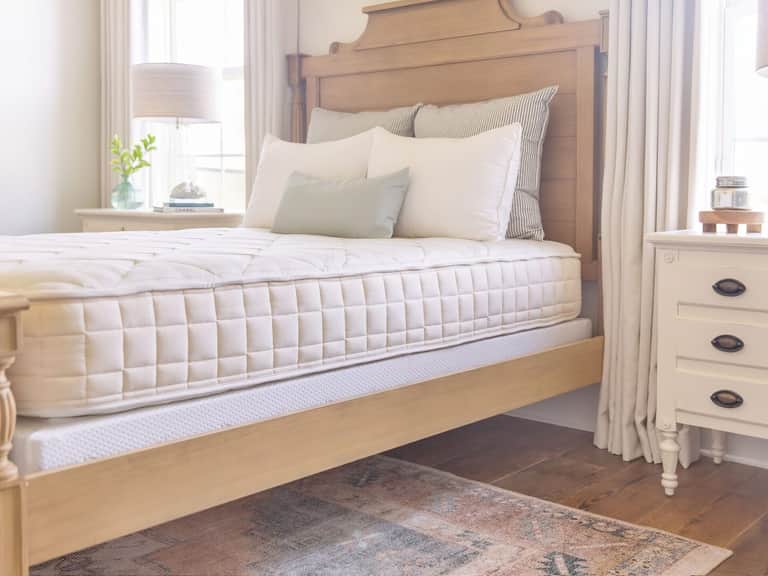
Earthly Bed content often references products like the Savvy Rest Tranquility Latex Mattress, which blends natural latex with organic wool and cotton. Such mattresses illustrate how fiber choice at the core—latex and wool—can influence sleep temperature and long-term durability. A note of caution: some latex components can trigger sensitivities in certain individuals; always consider personal allergies and test suitability when possible.
Part II: Weave and Finish — How the Fabric Feels and Breathes
The way a fabric is woven and finished determines its breathability, feel, and cleanliness. We highlight two common weaves in non-toxic bedding: percale and sateen. Each has distinct sensibilities for different sleep climates and personal preferences.
Percale: Crisp, Cool, and Breathable
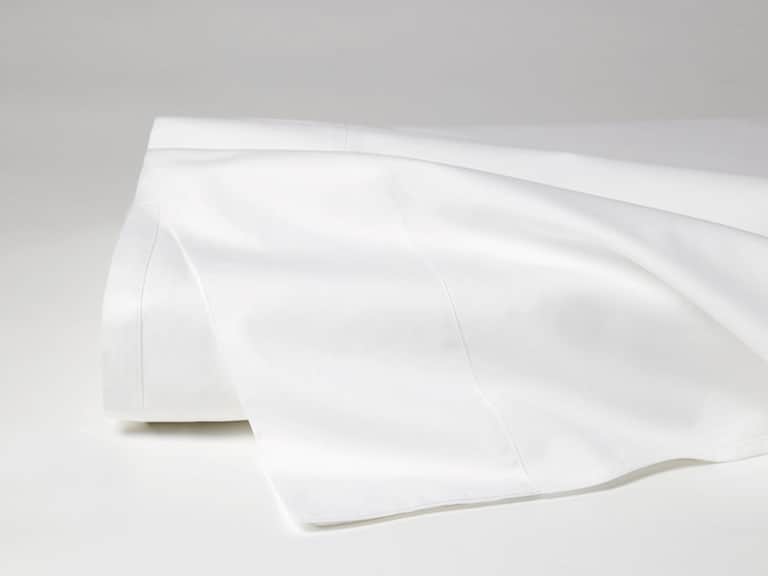
Percale is a plain weave that yields a matte, crisp hand. It typically feels cooler to the touch and allows air to circulate between fibers, which can be advantageous for hot sleepers. Look for sheets marketed as 200–400 thread count in percale; the emphasis should be on the weave performance rather than sheer thread count. Some Earthly Bed-supported products, such as Sleep and Beyond Organic Cotton Percale Sheet Sets, showcase breathable comfort and non-toxic processing through GOTS certification.
Sateen: Softness with Subtle Luster
Sateen uses a satin-like weave with more optical sheen and a smoother hand. It can feel warmer and more luxurious, which some sleepers prefer in cooler environments. When sourcing sateen bedding, ensure the fabric is 100% organic cotton and that the finishing processes are free from problematicresorces or flame retardants. Naturepedic’s organic cotton sateen duvets and sheets illustrate how a premium feel can align with non-toxic credentials and durability.
Part III: Finishes and Comfort — The Invisible Yet Critical Details
Finishes in bedding include chemical resins, wrinkle-free agents, and color-fast dyes. The question is not only about “is it non-toxic?” but “how is it verified and what does it mean for daily use?” We examine key finish-related considerations that influence both safety and longevity.
- Wrinkle resistance: Some finishes aim to reduce ironing. Look for finishes that are minimally processed and clearly declared non-toxic.
- Dyes and colorants: Low-impact, fiber-reactive dyes or natural dyes may offer lower chemical loads; verify with supplier documentation.
- Care instructions: A non-toxic fabric should maintain its integrity after repeated wash cycles. Pre-washing can help reduce any residual processing chemicals.
Part IV: Certifications — The Compass in a Complex Market
Certifications are essential for navigating the jungle of green claims. They provide a standardized assurance that fibers, dyes, and manufacturing processes meet specific health and environmental criteria. Here are the most relevant certifications to look for in non-toxic bedding:
- GOTS (Global Organic Textile Standard): Signals organic fiber content and environmentally responsible processing, including water and energy use, plus social criteria.
- GOLS (Global Organic Latex Standard): Certification for organic latex and its supply chain, ensuring natural latex and responsible practices.
- OEKO-TEX Standard 100: A broad test for harmful substances in textiles; not a guarantee of organic fiber but a marker of consumer safety for typical products.
- Fair Trade or Fair Labor Association: Indicators of social responsibility in manufacturing; a valuable signal for human-centric production practices.
For Earthly Bed readers, these certifications form a practical checklist when shopping for non-toxic bedding. A credible product will clearly display certification logos and provide accessible information about fiber sourcing, dye processes, and manufacturing ethics. A brand such as Sleep and Beyond or Naturepedic demonstrates how certifications translate into consumer trust—transforming a product’s promise into a tangible standard of safety and sustainability.
Part V: A Brand-Centered, Time-Sensitive View — Three Key Figures Across Eras
Non-toxic bedding is not only about materials; it is also about the lineage of ideas that have shaped our understanding of safety, comfort, and design. Here are three pivotal figures whose thinking helps illuminate the current moment in eco-conscious sleep.
1) Florence Nightingale (19th Century) — Hygiene as a Moral Imperative
In an era when health care and home life were intimately connected, Nightingale’s emphasis on cleanliness and environmental health foreshadowed contemporary concerns about indoor air quality and toxin exposure. Her insistence on sanitary conditions, proper ventilation, and a holistic view of well-being laid the groundwork for modern expectations around safe materials in living spaces. The Nightingale principle—visible in today’s demand for breathable textiles and non-toxic finishes—remains instructive: health on the surface and in the fibers beneath.
2) Rachel Carson (Mid-20th Century) — The Wake-Up Call About Hidden Chemicals
Carson’s Silent Spring reframed our understanding of environmental exposure and consumer risk. Her work catalyzed a broader cultural movement toward safer household products and transparent corporate practices. In the bedding domain, her influence is felt in the careful scrutiny of chemical treatments, dyes, and flame retardants. The modern non-toxic bedding narrative—certified organic cotton, woolly fills, and latex free from synthetic additives—owes a debt to Carson’s clarion call for precaution and accountability in the consumer marketplace.
3) Dr. Lisa A. Driscoll (21st Century) — Sleep Science Meets Sustainable Materials
Dr. Driscoll’s work at the intersection of sleep medicine and environmental health helps translate fiber choices into sleep outcomes. Her research emphasizes how air quality, allergen exposure, and temperature regulation influence sleep quality. The non-toxic bedding movement benefits from such science, which informs practical guidelines—like favoring breathable, hypoallergenic fabrics and minimizing chemical load in the sleeping environment. In this contemporary arc, the Earthly Bed mindset aligns with sleep science: create a space where rest is unencumbered by irritants, and comfort is crafted from nature-friendly materials.
Part VI: A Brand-Forward, Evidence-Informed Framework for Shopping
Beyond the principles, here is a pragmatic shopping framework you can carry into any bedding aisle or online cart. It uses a brand-aligned lens consistent with Earthly Bed’s Direction A: Eco-friendly Sleep & Bedroom Wellness Education.
- Material clarity: Confirm fiber content (e.g., 100% organic cotton), fill material (for pillows and mattresses), and absence of harmful additives.
- Certifications: Look for GOTS, GOLS, OEKO-TEX, and Fair Trade where applicable. Verify logos and ask for documentation if needed.
- Weave and finish: Distinguish percale vs. sateen; favor breathable weaves for warm climates and smooth surfaces for winter comfort, ensuring finishes are non-toxic.
- Care requirements: Ensure cleaning and washing guidelines align with your household routines. Non-toxic does not equate to high-maintenance; choose fabrics that withstand regular washing without harsh chemicals.
- Brand transparency: Prefer brands that openly share supply chain details, fiber sourcing, and environmental impact data. A credible brand will offer an accessible sustainability statement and product-level certifications.
Part VII: A Thoughtful On-Site Structure for Eco-Conscious Sleep Content
To support readers with a clear, navigable experience, Earthly Bed’s website can adopt a content architecture that mirrors the pillars discussed here. A simple, reader-friendly structure might include:
- Materials & Detox: Guides on natural fibers, non-toxic finishes, and fiber-specific considerations.
- Sleep Basics: Environment optimization, routines, and practical room temperature management.
- Eco Living: Broader home practices and how bedroom choices impact the overall ecological footprint.
- Debunking Myths: Fact-checking common misperceptions about “natural” sleep products and how to verify claims.
- Expert Q&As: Interviews with sleep scientists, interior designers, and sustainability researchers.
Part VIII: A Sample Content Calendar — 12 Weeks of Thoughtful, Non-Toxic Sleep Content
To illustrate how a content strategy might unfold, here is a compact 12-week plan aligned with the Direction A mandate. Each entry blends educational rigor with practical utility and the editorial voice of Time magazine: precise, insightful, and accessible.
- Week 1: Comprehensive Guide — Choosing Non-Toxic Bedding Materials: A Beginner’s Checklist
- Week 2: Expert Q&A — Sleep Scientist Discusses Temperature, Humidity, and Comfort
- Week 3: Material Spotlight — Organic Cotton Percale: Breathability in Practice
- Week 4: Certification Deep Dive — What GOTS Really Means for Your Sheets
- Week 5: DIY Spotlight — How to Audit Your Bedroom for Toxins
- Week 6: Expert Interview — Interior Designer on Earth-Toned, Non-Toxic Décor
- Week 7: Case Study — Real-Life Bedroom Refresh: Non-Toxic Materials for Healthier Sleep
- Week 8: Myth-Busting — Debunking “Natural” Sleep Product Myths
- Week 9: Product Roundup — The Best Non-Toxic Pillows Across the Market
- Week 10: Sleep Science Snippet — The Link Between Air Quality and REM Sleep
- Week 11: Guide — How to Create a Sleep-Friendly Bedroom on a Budget
- Week 12: Expert Roundtable — Sleep Researchers, Designers, and Environmental Advocates Reflect on 2026 Trends
Each entry can be supported by a mix of long-form guides, checklists, printable PDFs, and expert interviews. The balance between thorough, research-informed content and actionable, visually digestible formats will be essential for cultivating an audience that values both credibility and practicality.
Conclusion: Grounding Our Sleep in Truth-Telling and Texture
As the Earthly Bed brand suggests, sleep is about more than comfort; it is about a grounded approach to living. By prioritizing non-toxic materials, transparent certifications, and thoughtful finishes, we can curate a sleep environment that is as ethical as it is restful. The three historical figures discussed here—Nightingale, Carson, and Driscoll—remind us that the everyday decisions in our homes reflect broader commitments to public health, the environment, and science-based truth. Through a careful, brands-informed, evidence-based approach, Earthly Bed can guide readers toward a bedroom that feels like a haven and a statement: that rest matters, and the materials we choose matter even more.
Product Spotlight
Among the non-toxic options, one standout product that aligns with this guide is the Savvy Rest Tranquility Latex Mattress. It embodies natural materials—organic wool, organic cotton, and Dunlop latex—with a 20-year warranty and a design that emphasizes customization and long-term health considerations.
Savvy Rest Tranquility Latex Mattress
A 7-inch, two-layer latex mattress crafted for customizable comfort using organic wool, organic cotton, and Dunlop or Talalay latex. Green in materials, generous in warranty.
Price: $2698.00
Product Highlights:
- Organic cotton zippered cover
- Two latex layers for customization
- 20-year warranty and layer exchange policy
Additional product references illustrate the breadth of earth-friendly options in the ecosystem, including Naturepedic organic cotton mattresses and a slate of organic cotton sheet sets from Sleep and Beyond and Cloud Soft lines. Each product demonstrates how certifications and clear material disclosures translate into consumer confidence and safer sleep spaces.
Note: The Earthly Bed content here is presented for educational purposes and reflects industry examples from the cited product set. Always verify current certifications directly with manufacturers.
This article is part of Earthly Bed’s ongoing exploration of non-toxic bedding materials, weaving together consumer guidance with historical context, product transparency, and the evolving science of sleep wellness.