Crib mattresses are essential components of a safe and comfortable sleep environment for infants, designed to fit standard crib dimensions while meeting stringent safety standards. Key features include appropriate firmness to reduce risk of suffocation, breathable surfaces to regulate temperature, and waterproof or wipe-clean covers for cleanliness and hygiene. Understanding these aspects helps caregivers choose materials and designs that support healthy sleep patterns and developmental comfort.
When evaluating crib mattresses, pay attention to core materials, such as organic cotton, plant-based foams, or independently certified to ensure low chemical emissions. Emphasis on breathability and moisture management helps reduce heat buildup and moisture retention, contributing to a healthier sleep climate. Compatibility with standard crib slat configurations and malleable borders also influences long-term usability and safety.
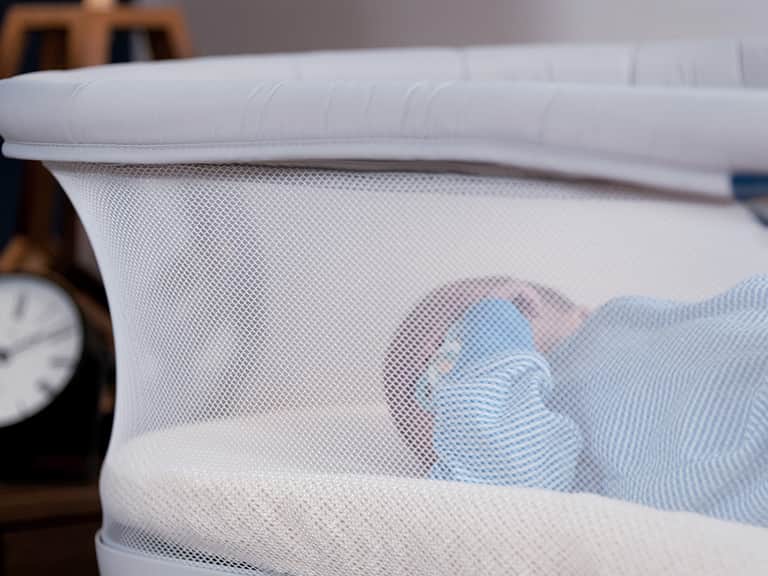
Among related product categories, the Naturepedic Organic Breathable Bassinet Mattress for Halo Bassinets exemplifies responsive design for portable sleep spaces. Notable features include a premium organic construction, breathable fabrics, and a fit optimized for Halo bassinet models, supporting consistent support and temperature regulation in early infancy. These characteristics illustrate how portability and material purity intersect in infant bedding.
Practical considerations for crib mattress selection extend to cleaning and maintenance, as spill containment and ease of sanitation reduce exposure to irritants. Waterproof or water-resistant covers enable quick cleanup of accidents, while durable quilting maintains shape and support over time. Proper fit reduces gaps around the mattress, contributing to safer sleep and easier nighttime care routines.
Meta keywords such as bedding, pillows, sheets, duvet covers, and organic mattresses reflect a broader ecosystem of infant sleep essentials. While focusing on crib mattresses, understanding how materials, certifications, and design choices relate to overall sleep quality helps families assess compatibility with other nursery textiles and climate control approaches for a healthier sleeping environment.
 Nursery